Risk Assessment Standards: How to Choose and Use Them. The standard is the thing that we’re going to use to achieve things – the tool. And that’s important because tools designed to do certain things usually perform well. But they don’t always perform well on other things. So we will ask, ‘Are we doing the […]
Welcome to Risk Management: Principles, Process and Techniques, where we’re going to go through these basic concepts of risk management. We’re going to break it down into the constituent parts and then we’re going to build it up again and show you how it’s done. I’ve been involved in risk management, in project risk management, […]
Let’s talk about Artificial Intelligence: How Do We Use It Ethically? There’s been a lot of interest in this topic recently, as well as quite a lot of emotion and misinformation. I wanted to set out how the Safety Artisan uses Artificial Intelligence, or AI, ethically. But to do that, we have to understand what […]
Safety Case Lifecycle: How to Develop a Safety Case is Part 4 of a four-part series on safety cases. In it, we look at timing issues and typical content through the safety case lifecycle. A Comprehensive Guide to Ensuring Project Safety When embarking on any significant project, ensuring safety isn’t just a step in the […]
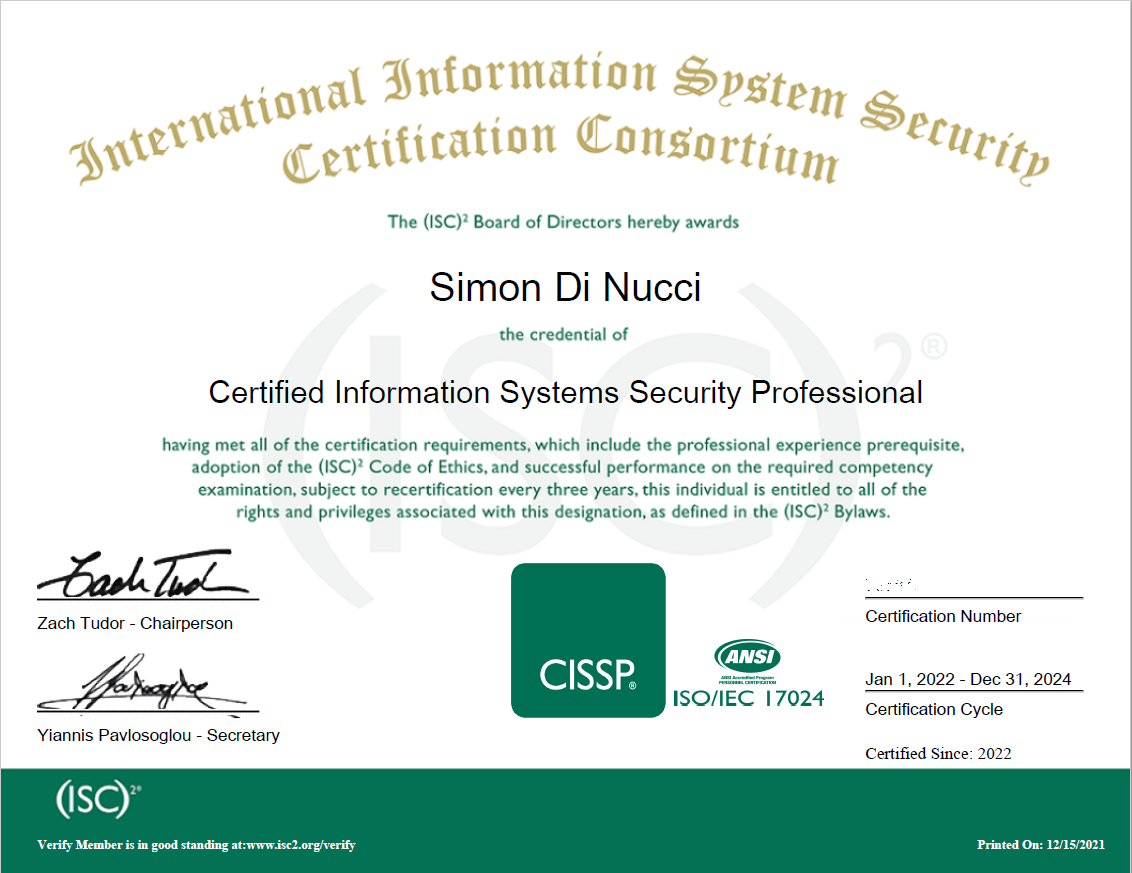
CISSP 2021: What’s New and How to Prepare? Let’s look at the significant changes made to the CISSP Official Exam Outline (the course syllabus). What You Can Learn Who is this Course for? Students wishing to become Certified Information Systems Security Professionals. Are there any Prerequisites? I designed this course to help students prepare for […]
At The Safety Artisan, we recently received a Certificate of Appreciation from The Fred Hollows Foundation in recognition of our support. We are genuinely honoured to receive this acknowledgement. More importantly, we are proud to support an organisation whose work has transformed millions of lives around the world. Our Business is Improving Safety Our business […]
The ISSS Credentialing Initiative: System Safety Professionals. Where is the Next Generation of System Safety Professionals? We need a Workforce Development Program for Safety-Critical Industries. The International System Safety Society (ISSS) is launching a major credentialing initiative designed to strengthen and expand system safety capability across Canada and the United States. Developed as a three-year […]
Navigating the Safety Case is Part 4 of a four-part series on safety cases. In it, we look at timing issues and typical content through the safety case lifecycle. A Comprehensive Guide to Ensuring Project Safety When embarking on any significant project, ensuring safety isn’t just a step in the process—it’s the foundation of success. […]
Introduction In The Lifelong Evolution of a Safety Case, we look at how to Review and revise a Safety Case and Re-Issue a Safety Case Report. When it comes to ensuring safety throughout any Product, System, or Service lifecycle, reviewing and revising the Safety Case isn’t just a recommendation—it’s essential. The age or status of […]
The 2024 Blog Digest – Q3/Q4 brings you all of The Safety Artisan’s blog posts from the first six months of this year. I hope that you find this a useful resource! The 2024 Blog Digest – Q3/Q4: 18 Posts! Meet the Author Learn safety engineering with me, an industry professional with 25 years of […]
Comprehensive Project Safety Management Plans. Safety is a critical element in any large-scale project, especially in the context of defence and complex systems. One essential tool for managing safety is a Safety Management Plan (SMP). In this article, we’ll break down the process and structure of an effective SMP, highlighting its objectives, content, and how […]
Guide to Running a Project Safety Committee. Okay, so committees are not the sexiest subject, but we need to get stakeholders together to make things happen! Project Safety Committee: Introduction In safety-critical industries such as defense, aerospace, and engineering, maintaining a robust safety management system (SMS) is paramount. A Project Safety Committee (PSC) plays a […]
In ‘Project Safety Initiation’ we look at what you need to do to get your safety project or program started. Introduction Definitions A stakeholder is anyone who will be affected by the introduction of the system and who needs to be consulted or informed about the development and fielding of the system, and anyone who contributes to […]
Welcome to Module Five, More Resources for Risk Assessment. We’re on the home straight now! This is the last of the five modules. I will let you know where to get more resources and help on these topics. Course Learning Objectives More Resources for Risk Assessment: Transcript Copyright/Source Statement “First, I want to point out […]
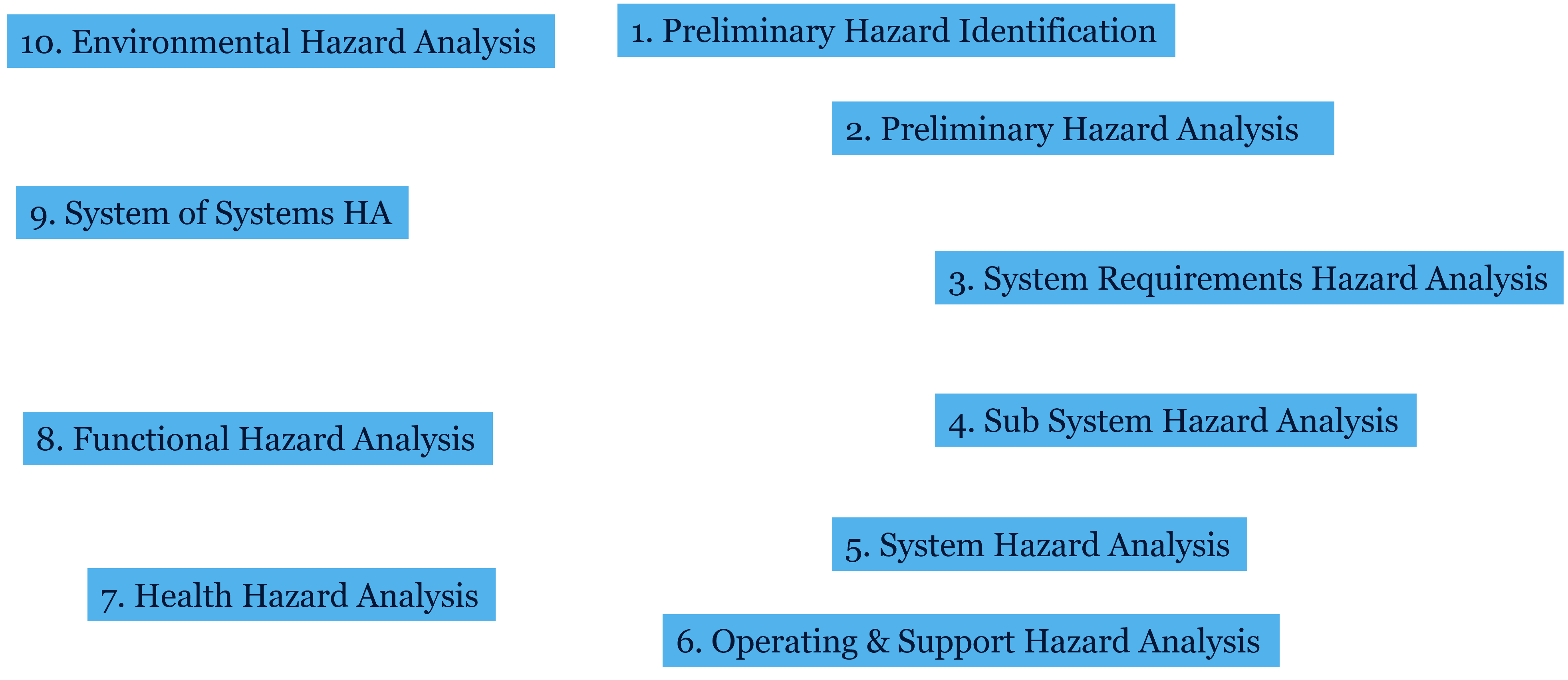
Designing Your Risk Assessment Program. Which Ingredients should we use? In this post, I draw upon my 25+ years in system safety to give you some BOLD advice! I’m going to dare to suggest which analysis tasks are essential to every System Safety Program. I also suggest which tasks are optional depending on the system […]
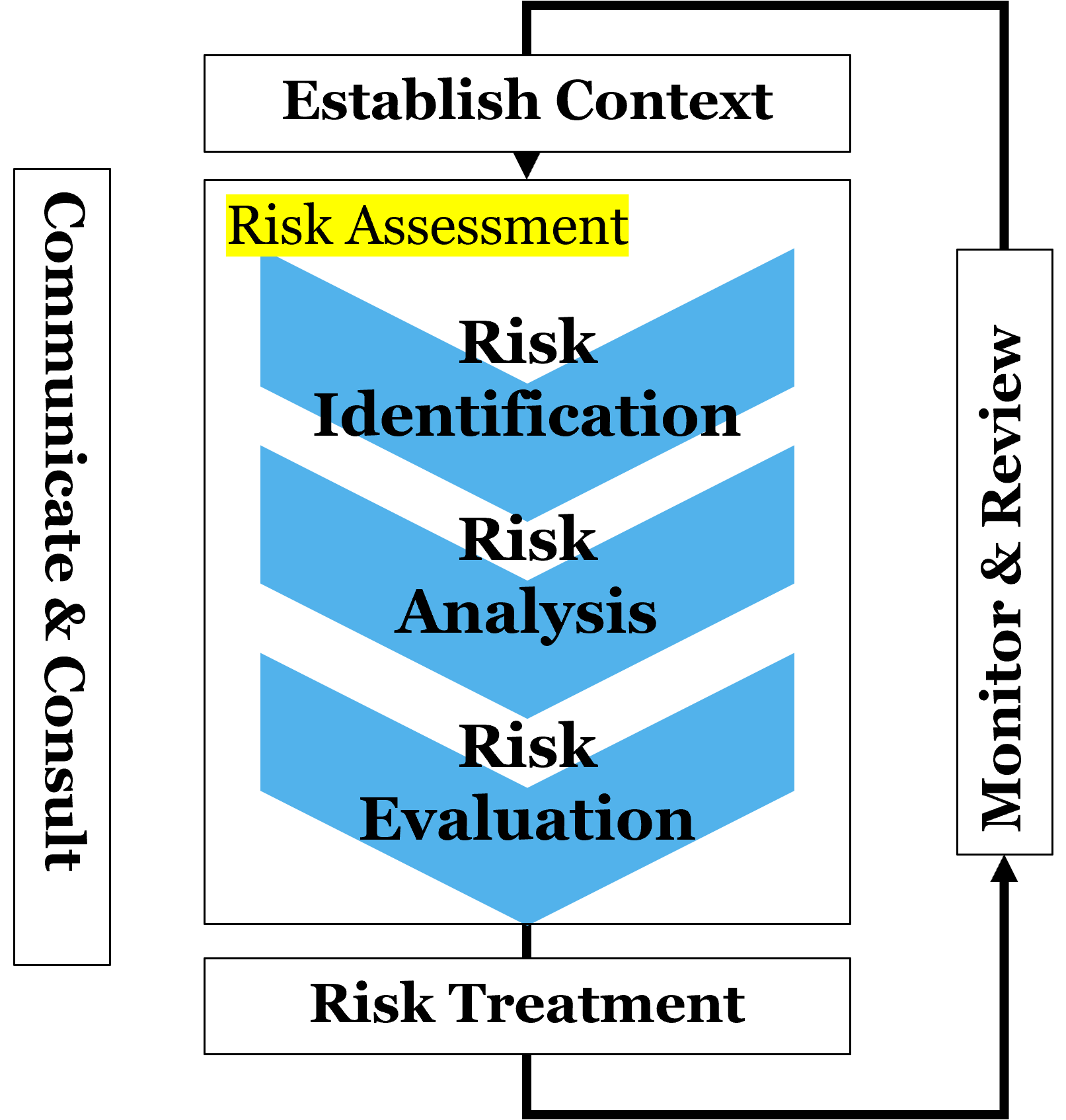
When Understanding Your Risk Assessment Standard, we need to know a few things. The standard is the thing that we’re going to use to achieve things – the tool. And that’s important because tools designed to do certain things usually perform well. But they don’t always perform well on other things. So we will ask, […]
Welcome to Risk Management 101, where we’re going to go through these basic concepts of risk management. We’re going to break it down into the constituent parts and then we’re going to build it up again and show you how it’s done. I’ve been involved in risk management, in project risk management, safety risk management, […]
In this module, System Safety Risk Analysis, we’re going to look at how we deal with the complexity of the real world. We do a formal risk analysis because real-world scenarios are complex. The Analysis helps us to understand what we need to do to keep people safe. Usually, we have some moral and legal obligation to do it as well. We need to do it well to protect people and prevent harm to people.
What are the Hazard and Risk basics? So, what is this risk analysis stuff all about? What is ‘risk’? How do you define or describe it? How do you measure it? When? Why? Who…? In this free session, I explain the basic terms and show how they link together, and how we can break them […]
This post, ‘SSRAP: Start the Course’, gives an overview of System Safety Risk Assessment Programs. It describes the Learning Objectives of the Course and its five modules. We’re going to learn how to: This post is part of a series: SSRAP: Start of the Course – Transcript Welcome to this course on System Safety Risk […]
In this post, we will look at Three Insightful Methods for Causal Analysis. Only three?! If you search online, you will probably find eight methods coming up: However, not all these methods are created equal! Only some provide real insight to the challenge of causal analysis. So, I’ve picked the best ones – based on […]
In this ‘Introduction to System Safety Risk Assessment’, we will pull together several key ideas. First, we’ll talk about System Safety. This is safety engineering done in a Systems Engineering Framework. We are doing safety within a rigorous process. Second, we’re talking about Risk Assessment. This is a term for putting together different activities within […]
The 2024 Blog Digest – Q1/Q2 brings you all of The Safety Artisan’s blog posts from the first six months of this year. I hope that you find this a useful resource! The 2024 Blog Digest – Q1/Q2: 25 Posts! There’s More! Head over to my Thinkfic Site for courses & webinars. Subscribe for a […]
This is the full-length (one hour) session on Environmental Hazard Analysis (EHA), which is Task 210 in Mil-Std-882E. I explore the aim, task description, and contracting requirements of this Task, but this is only half the video. In the commentary, I then look at environmental requirements in the USA, UK, and Australia, before examining how […]
Get the Preliminary Hazard Identification & Analysis Guide for free! It’s a 50-page .pdf download, collated from reliable sources. Contents: Preliminary Hazard Identification & Analysis Guide – Introduction Hazard Identification has been defined as: “The process of identifying and listing the hazards and accidents associated with a system.” Hazard Analysis has been defined as: “The […]
So, what I’m talking about today is safety and risk audit, that is about process, Q&A, and some personal experience. Also something called layered process audits, which I ran into while researching this webinar. I thought that sounded interesting – and it is! Those are today’s topics for the webinar. Audit Process I’m talking about […]
So, how do we identify and analyze functional hazards? I’ve seen a lot of projects and programs. We’re great at doing the physical hazards, but not so good at the functional hazards. So, when I talk about physical and functional hazards, the physical stuff, I think we’re probably all very familiar with them. They’re all […]
TL;DR: This article on Failure Mode and Effects Analysis explains this powerful and commonly-used family of techniques. You can access this webinar (and all the others) here. I have used FMEA and related techniques on many programs, and it can produce powerful results quickly and cheaply. Recently, I’ve seen some criticism of FMEA on social […]
In my webinar ‘Five Ways to Identify Hazards’ I look at a mix of techniques. We need these diverse techniques to assure us (give justified confidence) that we have identified the full range of hazards associated with a system. To do this I draw on my 25 years of experience (see ‘Meet the Author‘, below) […]
In this post ‘Full Function Hazard Logs: A Deep Dive into Relational Databases’, I explore some things we can do with a hazard log built upon a database. In my 25-year career in safety engineering, I’ve seen many hazard logs and hazard tracking systems. Most of them were hosted in Microsoft Excel, but there were […]
In this 45-minute session, I look at how to do a Preliminary Hazard Analysis with Mil-Std-882E. Preliminary Hazard Analysis, or PHA, is Task 202 in the Standard. I explore Task 202’s aim, description, scope, and contracting requirements. There’s value-adding commentary, and I explain the issues with PHA – how to do it well and avoid […]
What are the Challenges of Online Learning? In my previous article, I looked at ‘Five Key Dimensions of Online Learning’, which explored what makes it popular. But there’s a downside too – things that put students off. What are they, and can they be fixed? “Top reasons cited by students who do not intend to […]
Get your free Preliminary Hazard Identification & Analysis, PHIA Guide here! Introduction Hazard Identification is sometimes defined as: “The process of identifying and listing the hazards and accidents associated with a system.” Hazard Analysis is sometimes defined as: “The process of describing in detail the hazards and accidents associated with a system and defining accident […]
In this article ‘Five Key Dimensions of Online Learning’, I discuss the learning dimensions and attributes that students are looking for. How do I know what students are looking for? Fortunately “McKinsey surveyed more than 7,000 students in 17 countries to find out which elements of online higher education they value most.”[1] Unfortunately, McKinsey didn’t […]
“What Have Hazard Logs Ever Done for Us? Well, there’s the aqueduct…” Monty Python’s Flying Circus may not be an obvious connection to hazard management, but it works! Hazard Logs – or Hazard Tracking Systems (HTS), which is a better term – are underappreciated but vital tools. In this webinar on hazard logs, one of […]
In ‘Optimizing Safety: Active Hazard Management with Hazard Logs’ we look at how to unleash the power of this underrated tool! Introduction A Hazard Log is more than just a record; it’s a dynamic tool for actively managing safety risks associated with systems. This continually updated log encapsulates Hazards, Accident Sequences, and Accidents, ensuring a […]
In this blog post and video ‘Hazard Logs and Hazard Tracking Systems’, I’m going to tell you about their benefits and features. In many industries, we are required to create a hazard log: perhaps by a regulator, a customer, or a prime contractor. Or maybe it’s “just the way we do it round here”. Whatever […]
The 2023 Digest brings you all The Safety Artisan’s blog posts from last year. I hope that you find this a useful resource! (The final post in the list is the 2022 Digest, which lists another 31 posts.) That’s the 2023 Digest – look out for much more in 2024! My name’s Simon Di Nucci. […]
This is the first in a new series of blog posts on Principles of Software Safety Assurance. In it, we look at the 4+1 principles that underlie all software safety standards. We outline common software safety assurance principles that are evident in software safety standards and best practices. You can think of these guidelines as […]
Lessons Learned: In this 30-minute video, we learn lessons from an accident in 2016 that killed four people on the Thunder River Rapids Ride in Queensland. The coroner’s report was issued this year, and we went through the summary of that report. In it, we find failings in WHS Duties, Due Diligence, risk management, and […]
Understanding System Safety Engineering: A Quick Guide, takes you through some key points of this complex subject. Introduction System safety engineering plays a crucial role in ensuring the safety of complex systems. In this post, we will explore the fundamental concepts of system safety engineering and its importance in the realm of systems engineering. System […]
Introduction In System Safety FAQs, I will deal with the most commonly searched-for online queries. This post is also the basis for the First in a new series of monthly webinars I’m running. I will also be answering your questions: leave them in the comments at the bottom of this post! What is System Safety? […]
Here is a video about my CISSP exam journey. Get the full ‘My CISSP Exam Journey’ free video here. I’ve just passed the Certified Information Systems Security Professional (CISSP) Exam, which was significantly updated on 1st May 2021. In this 30-minute video, I will cover: I wish you every success in your CISSP journey: it’s […]
In this lesson, I will teach you how to demonstrate SFARP. I’ve been doing this on complex programs for 20+ years now, both in the UK and Australia. The concept of ‘reasonably practicable’ is much easier to apply than people think. I’ve watched a lot of programs over-complicate the process. We just don’t have to […]
Understanding System Safety Engineering: A Holistic Approach to Ensuring Safety. To know that we first need to understand what Systems Engineering is… Section 1: The Basics of Systems Engineering It starts with needs and concepts, which may be quite abstract, and progressively breaks these down into concrete, specific requirements. We also determine how those requirements […]
‘How Should We Learn in an Age of ‘AI’?’ is the first in a series of articles addressing this topical subject. Introduction I’ve created and taught courses on technical subjects for about 20 years now. I started when I inherited a half-finished course on software supportability in 2001. The Royal Air Force relied on software […]
This is The 2022 Digest – all the posts from The Safety Artisan last year. There have been 31 posts in all covering subjects such as: Here we go… The 2022 Digest: Quarter Four In this 45-minute session, I’m looking at System Requirements Hazard Analysis, or SRHA, which is Task 203 in the Mil-Std-882E standard. […]
Software Safety Principles Conclusions and References is the sixth and final blog post on Principles of Software Safety Assurance. In them, we look at the 4+1 principles that underlie all software safety standards. (The previous post in the series is here.) Read on to Benefit From… The conclusions of this paper are brief and readable, but […]
This post, Software Safety Assurance and Standards, is the fifth in a series of six blog posts on Principles of Software Safety Assurance. In it, we look at the 4+1 principles that underlie all software safety standards. (The previous post in the series is here.) Read on to Benefit from… In this post, we assess how […]
Software Safety Assurance is the fourth in a new series of six blog posts on Principles of Software Safety Assurance. In them, we look at the 4+1 principles that underlie all software safety standards. (The previous post in the series is here.) Read on for These Benefits… This post deals with some crucial software assurance topics: […]
Software Safety Principle 4 is the third in a new series of six blog posts on Principles of Software Safety Assurance. In it, we look at the 4+1 principles that underlie all software safety standards. (The previous post in the series is here.) We outline common software safety assurance principles that are evident in software safety […]
Software Safety Principles 2 and 3 is the second in a new series of blog posts on Principles of Software Safety Assurance. In it, we look at the 4+1 principles that underlie all software safety standards. (The previous blog post is here.) We outline common software safety assurance principles that are evident in software safety standards […]
Proportionality is about committing resources to the Safety Program that are adequate – in both quality and quantity – for the required tasks. Introduction to Proportionality Proportionality is a concept that should be applied to determine the allocation of resource and effort to a safety and environmental argument based on its risk. It is a difficult concept […]
This post, Australian vs. UK Safety Law compares the two approaches, based on my long experience of working on both sides. Are you a safety professional thinking of emigrating from the UK to Australia? Well, I’ve done it, and here’s my BREXIT special guide! In this 45-minute video, The Safety Artisan looks at the similarities […]
In this 45-minute video, I discuss System Safety Principles, as set out by the US Federal Aviation Authority in their System Safety Handbook. Although this was published in 2000, the principles still hold good (mostly) and are worth discussing. I comment on those topics where the modern practice has moved on, and those jurisdictions where […]
In this 33-minute session, Safety Concepts Part 2, The Safety Artisan equips you with more Safety Concepts. I look at the basic concepts of safety, risk, and hazard in order to understand how to assess and manage them. Exploring these fundamental topics provides the foundations for all other safety topics, but it doesn’t have to […]
In Hazard Logs – a Brief Summary, we will give you an overview of this important safety management tool. This post serves as an introduction to longer posts and videos (e.g. Hazard Logs & Hazard Tracking Systems), which will provide you with much more content. Hazard Logs – a Brief Summary Description of Hazard Log […]
Career change: in my lecture to the System Engineering Industry Program at the University of Adelaide, I reflect on my career changes. What can you learn from my experiences? (Hint: a lot, I hope!) I want to talk about career changes because all of you – everyone listening – have already started to make them. […]
In this post on Safety Management Policy, we’re going to look at the policy requirements of a typical project management safety standard. This is the Acquisition Safety & Environmental System (ASEMS). The Ministry of Defence is the biggest acquirer of manufactured goods in the UK, and it uses ASEMS to guide hundreds of acquisition projects. […]
Good work design can help us achieve safe outcomes by designing safety into work processes and the design of products. Adding safety as an afterthought is almost always less effective and costs more over the lifecycle of the process or product. Introduction The Australian Work Health and Safety Strategy 2012-2022 is underpinned by the principle […]
‘So Far As Is Reasonably Practicable’ is a phrase that gets used a lot, but what does it mean? How do you demonstrate it? In this post, I will talk about how to demonstrate SFARP. I’ve been doing this on complex programs for 20+ years now, both in the UK and Australia. The concept of […]
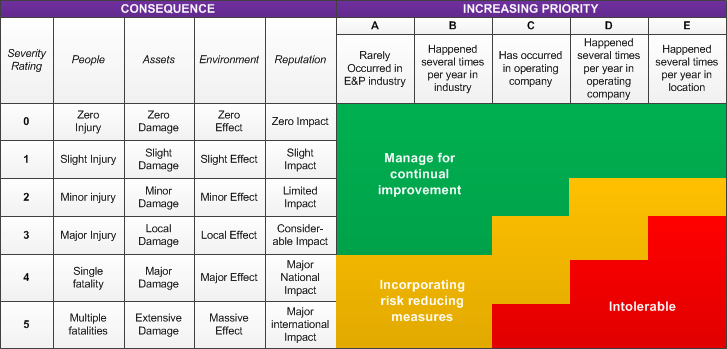
In this article, I look at The Risk Matrix, a widely used technique in many industries. Risk Matrices have many applications! In this article, I have used material from a UK Ministry of Defence guide, reproduced under the terms of the UK’s Open Government Licence. Introduction A risk matrix is a graphical representation of the […]
You heard me right. Risk: Averse, Adverse, or Appetite? Which would you choose? Do we even have a choice? Read on … We often hear that we live in a risk-averse society. By that, I mean that we don’t want to take risks, or that we’re too timid. I don’t think that’s the whole story. […]
In this article, I’m looking at Due Diligence and Safety in the USA, UK, and Australia. Why? Because Due Diligence is the root of so much that we should be doing in Safety. Let’s start with the definitions of due diligence in the way that it applies to safety (because due diligence is a concept […]
Testimonials from 20+ years in the industry. Hear what some clients and ex-colleagues have to say about The Safety Artisan. General Testimonials The way you teach this subject makes it comprehensible and part of an integral whole. It seems like your approach is rare (and valuable) in the world of System Safety. Thomas AnthonyDirector, Aviation […]
In this FAQ on Risk Management, I will point you to some lessons where you will get some answers to basic questions. Lessons on this Topic Welcome to Risk Management 101, where we’re going to go through these basic concepts of risk management. We’re going to break it down into the constituent parts and then […]
The following is a short, but excellent, introduction to the topic of ‘Functional Safety’ by the United Kingdom Health and Safety Executive (UK HSE). It is equally applicable outside the UK, and the British Standards (‘BS EN’) are versions of international ISO/IEC standards – e.g. the Australian version (‘AS/NZS’) is often identical to the British […]
In the 30-minute session, we introduce Australian WHS Codes of Practice (CoP). We cover: What they are and how to use them; their Limitations; we List (Federal) codes; provide Further commentary; and Where to get more information. This session is a useful prerequisite to all the other sessions on CoP. Codes of Practice: Topics What […]
In this ‘Safety Concepts Part 1’ Blog post, The Safety Artisan looks at the meaning of the term “safe”. I look at an objective definition of safe – objective because it can be demonstrated to have been met. This fundamental topic provides the foundation for all other safety topics, and it isn’t complex. The basics […]