Understanding System Safety Engineering: A Quick Guide, takes you through some key points of this complex subject.
Introduction
System safety engineering plays a crucial role in ensuring the safety of complex systems. In this post, we will explore the fundamental concepts of system safety engineering and its importance in the realm of systems engineering.
System Safety Engineering Explained
System safety engineering, as the name implies, focuses on engineering safety within a systems-engineering context. It involves deliberately integrating safety measures into the framework of complex systems.
Read on, or watch this short video for some pointers:
Key Points of System Safety Engineering
1. Consider the Whole System
In system safety engineering, a holistic approach is essential. It’s not just about hardware and technical aspects; it includes software, operating environments, functions, user interactions, and data. This comprehensive view aligns with systems theory, ensuring a thorough safety assessment.
2. A Systematic Process
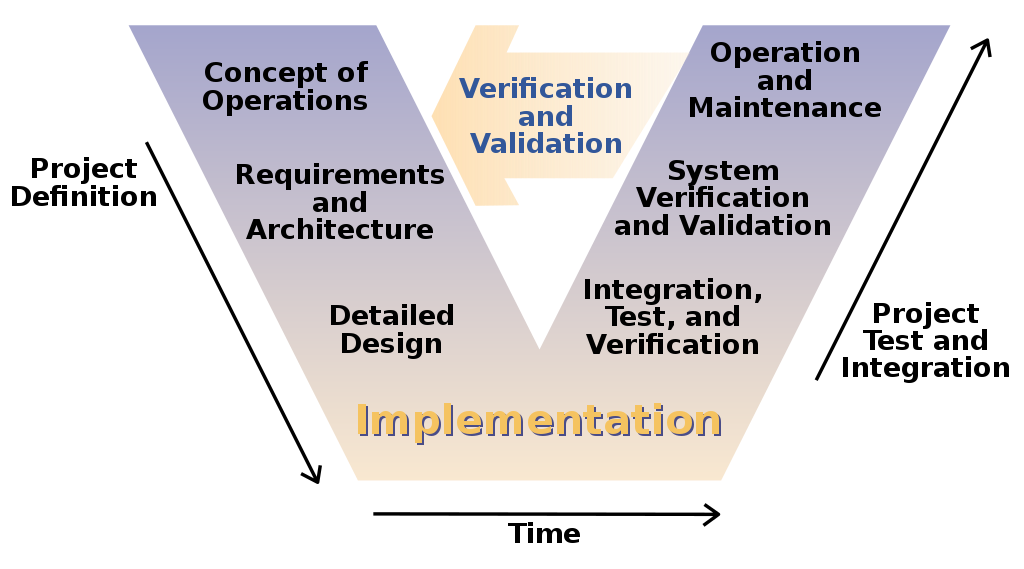
System safety engineering follows a systematic process. Starting with high-level requirements, it meticulously analyzes potential risks, safety obligations, and components. The V model illustrates this structured approach, emphasizing the importance of verification and validation at every stage.
3. Emphasis on Requirements
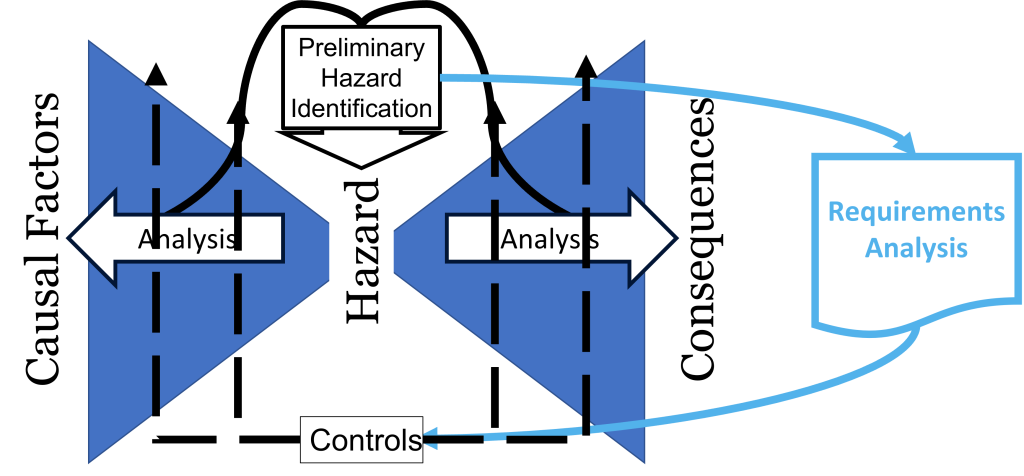
Unlike simple commodities like toasters, complex systems require rigorous requirement analysis. System engineers meticulously decompose the system, defining boundaries, interactions, and functionalities. These requirements undergo rigorous validation, minimizing surprises and ensuring safety from the start.
4. Think Safety from the Start
A significant aspect of system safety engineering is the early integration of safety considerations. By addressing safety concerns right from the beginning, potential issues are identified and resolved cost-effectively. This proactive approach enhances the overall safety of the system.

Summary
In summary, system safety engineering is characterized by its systematic approach to understanding the entire system, following a structured process, and integrating concepts from systems engineering and systems theory. By focusing on comprehensive requirements and thinking about safety from the start, system safety engineering ensures the safety and reliability of complex systems.
Meet the Author
My name’s Simon Di Nucci. I’m a practicing system safety engineer, and I have been, for the last 25 years; I’ve worked in all kinds of domains, aircraft, ships, submarines, sensors, and command and control systems, and some work on rail air traffic management systems, and lots of software safety. So, I’ve done a lot of different things!

If you found this helpful, there’s more depth in this article, and you can also see System Safety FAQ. There’s a low-price introductory course on the System Safety Process – on Udemy (please use this link, otherwise Udemy takes two-thirds of the revenue).