In ‘Reflections on a Career in Safety, Part 4’, I want to talk about Consultancy, which is mostly what I’ve been doing for the last 20 years!
Consultancy
As I said near the beginning, I thought that in the software supportability team, we all wore the same uniform as our customers. We didn’t cost them anything. We were free. We could turn up and do a job. You would think that would be an easy sell, wouldn’t you?
Not a bit of it. People want there to be an exchange of tokens. If we’re talking about psychology, if something doesn’t cost them anything, they think, well, it can’t be worth anything. So [how much] we pay for something really does affect our perception of whether it’s any good.

So I had to go and learn a lot of sales and marketing type stuff in order to sell the benefits of bringing us in, because, of course, there was always an overhead of bringing new people into a program, particularly if they were going to start asking awkward questions, like how are we going to support this in service? How are we going to fix this? How is this going to work?
So I had to learn a whole new language and a whole new way of doing business and going out to customers and saying, we can help you, we can help you get a better result. Let’s do this. So that was something new to learn. We certainly didn’t talk about that at university. Maybe you do more business focussed stuff these days. You can go and do a module, I don’t know, in management or whatever; very, very useful stuff, actually. It’s always good to be able to articulate the benefits of doing something because you’ve got to convince people to pay for it and make room for it.
Doing Too Little, or Too Much
And in safety, I’ve got two [kinds of] jobs.
First of all, I suppose it’s the obvious one. Sometimes you go and see a client, they’re not aware of what the law says they’re supposed to do or they’re not aware that there’s a standard or a regulation that says they’ve got to do something – so they’re not doing it. Maybe I go along and say, ah, look, you’ve got to do this. It’s the law. This is what we need to do.

Then, there’s a negotiation because the customer says, oh, you consultants, you’re just making up work so you can make more money. So you’ve got to be able to show people that there’s a benefit, even if it’s only not going to jail. There’s got to be a benefit. So you help the clients to do more in order to achieve success.
You Need to Do Less!
But actually, I spend just as much time advising clients to do less, because I see lots of clients doing things that appear good and sensible. Yes, they’re done with all the right motivation. But you look at what they’re doing and you say, well, this you’re spending all this money and time, but it’s not actually making a difference to the safety of the product or the process or whatever it is.
You’re chucking money away really, for very little or no effect. Sometimes people are doing work that actually obscures safety. They dive into all this detail and go, well, actually, you’ve created all this data that’s got to be managed and that’s actually distracting you from this thing over here, which is the thing that’s really going to hurt people.
So, [often] I spend my time helping people to focus on what’s important and dump the comfort blanket, OK, because lots of times people are doing stuff because they’ve always done it that way, or it feels comforting to do something. And it’s really quite threatening to them to say, well, actually, you think you’re doing yourself a favor here, but it doesn’t actually work. And that’s quite a tough sell as well, getting people to do less.
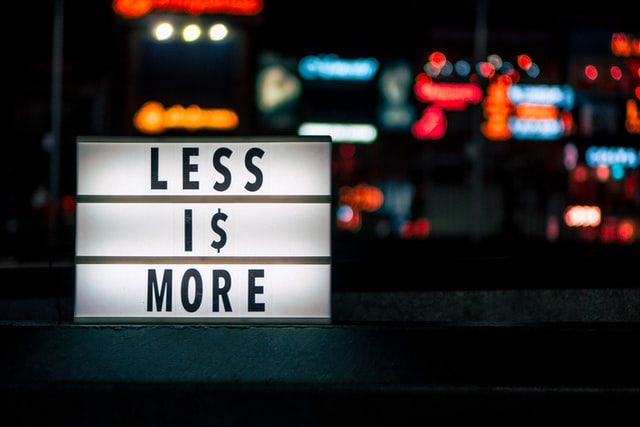
However, sometimes less is definitely more in terms of getting results.
Part 5 will follow next week!
New to System Safety? Then start here. There’s more about The Safety Artisan here. Subscribe for free regular emails here.